Master Concepts

Forging A Marriage Between Science and Philosophy
R-Selection
- Shorter-lived
- Smaller size at birth and maturity
- Physically weaker / more prone to illness
- Wasteful energy usage
- Less intelligent
- Lower quality communication
- Larger number of offspring
- Greater level of competition between offspring for parental attention
- Earlier reproduction
- Stronger sex drive
- Less care for offspring
- Lower vibrational frequency
- Lower likelihood of survival per individual
- More overall suffering (elevated birth/date rate)
- Thrive in unstable environments
- Less opportunity for rest
- More narrow sensory perception
- Population density and nutrient density independent
K-Selection
- Longer-lived
- Larger size at birth and maturity
- More physically sound
- Well-protected
- Energy efficient
- More intelligent
- Higher quality communication
- Smaller number of offspring
- More parental care per individual decreases need for competition
- Slower reproductive maturation
- Weaker sex drive
- More care for offspring
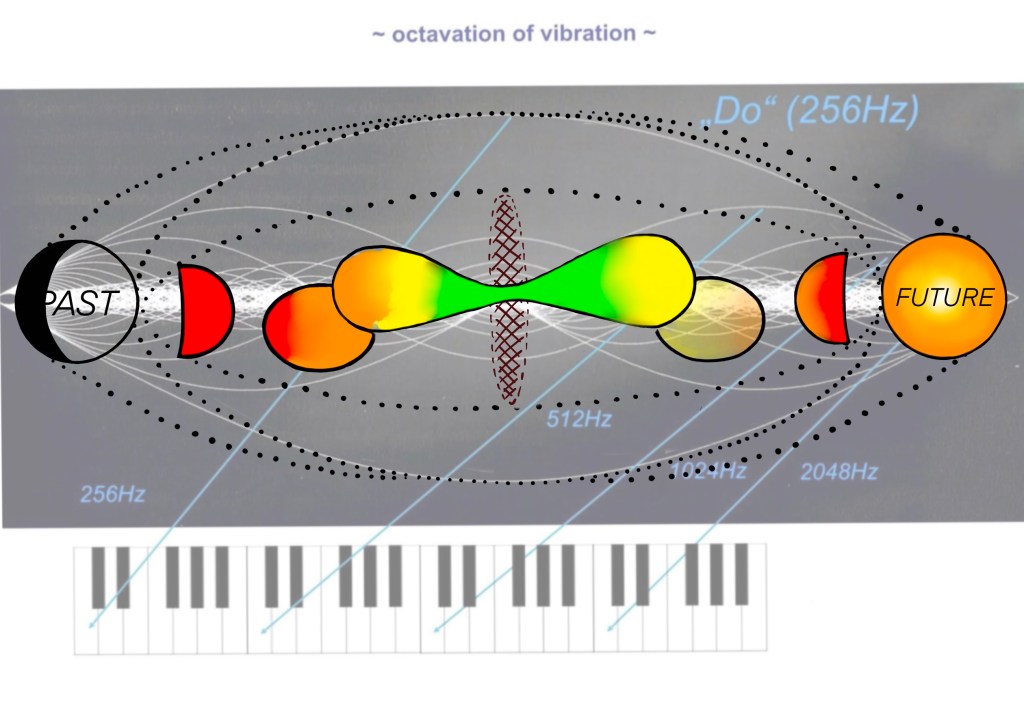
- Higher vibrational frequency
- Higher likelihood of survival per individual
- Less overall suffering (lower birth/death rate)
- Thrive in stable environments
- More opportunity for rest
- More open sensory perception
- Responsive to population density and nutrient density
https://www2.nau.edu/lrm22/lessons/r_and_k_selection/r_and_k.html
Other Key Concepts:
- Metabolism creates consciousness. The DNA of a species is simply the blueprint used to create the vessel in which the metabolism/consciousness resides. Therefor, your metabolism is also part of a much larger, planetary wide metabolism, or consciousness.
- Our species lies more toward being an r-species than a K-species (the common scientific consensus is that we are a K-selected species due to our lifespan and technological advancement, but I question this heavily with a veterinary background and through observing the trajectory of modern society), and religious/spiritual practice both aim to provide guidelines to change our evolutionary trajectory toward having the traits of a K-selected species. This is very possible through epigenetics.
- It is possible to genetically inherit traumatic experiences of your ancestral line through epigenetic changes (impermanent markers that alter your build in response to metabolic stress) to DNA. It is also possible to reverse that process.
- There are maximum density parameters “installed” into every species which, if exceeded, lead to elevated rates of stress/tension and unnecessary violence.
- When exposure to nature is avoided, a species will drop from being K-selected to being R-selected as the species metabolically and physically weakens.
- Where a species lies on this spectrum is dependent upon metabolic efficiency (mitochondrial health).
- I do believe in objective morality. My understanding of morality is entirely rooted in metabolic functioning and healthy aging.


 The Rainbow Connection